

Sales Training Spending Is at an All-Time High. Measuring Its Impact Is Not
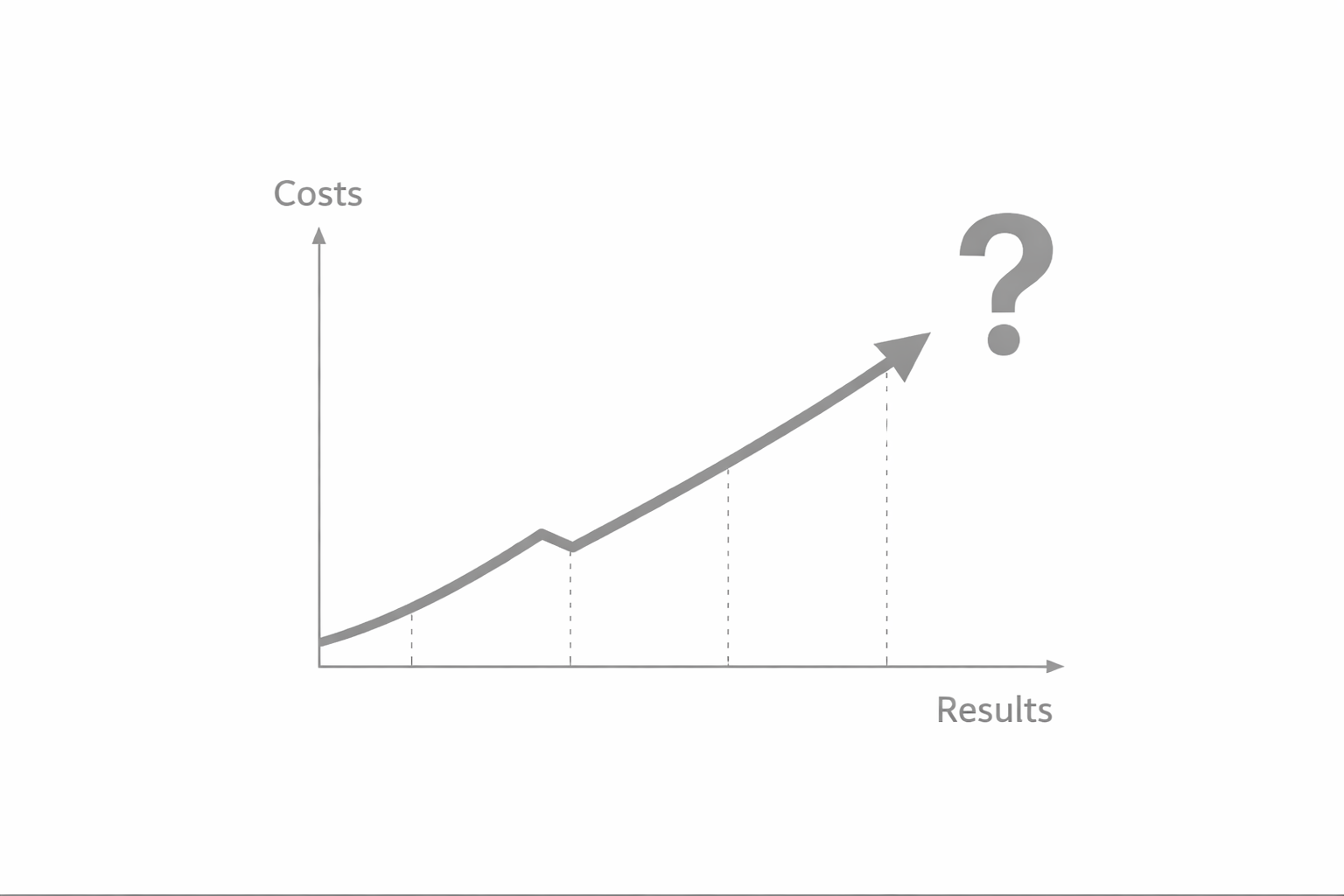
Why measuring attendance instead of readiness is costing companies more than they realise
DUBLIN, CO. DUBLIN, IRELAND, March 5, 2026 /EINPresswire.com/ -- Sales training is not a marginal investment. In the United States, enterprise companies spend more than ever with sales roles among the most expensive to develop. Research from the Association for Talent Development shows that sales training often costs 20–30% more than training for other roles, driven by coaching, live practice, and extended ramp times.In Europe, the cost picture is similar. Eurostat reports that continuing vocational training costs companies an average of €64 per employee per training hour, representing 1–2% of total labour costs across enterprises. Despite this level of investment, much of sales skill development still happens during live customer interactions, where mistakes are the most expensive and the least forgiving.
The anecdotal result
Given these costs, the need to demonstrate a clear return on investment should be obvious. Yet in practice, the results of sales training are often described in vague or anecdotal terms. Reps feel more confident. Managers’ report improved morale or better performance on shadowed calls. Workshops are delivered, attendance is tracked, and sales numbers are monitored. Still, drawing a credible line between training and outcomes remains an elusive pursuit.
One reason is that organizations often focus on measuring what is easiest to measure, rather than what actually drives results. Attendance rates, course completion, and platform usage provide neat dashboards, but little insight. They confirm participation, not competence. Knowledge checks conducted immediately after training may show recall, but they rarely reflect whether someone can apply that knowledge when it matters.
This is a question of timing as much as measurement. Sales capability is rarely tested at the moment learning occurs. It is tested later, under pressure, in live conversations with real customers. Measuring learning outcomes before those moments, or long after them, misses the point. The real test is not whether someone understood the material, but whether they can perform when the stakes are real.
This explains why
Context matters just as much. Variables that traditional training metrics ignore: hesitation, adaptability, emotional awareness, and decision-making under pressure shape sales outcomes. Without observing behaviour in real-life situations, organisations can only make assumptions about performance based on indirect indicators. The result is confidence without clarity.
The hidden costs of this gap are significant. There is the opportunity cost of time spent away from selling. There are manager hours spent coaching without clear insight into what actually needs improvement. There is the cost of inconsistent messaging across teams and regions, and the cost of slow ramp times when new hires need months to reach effectiveness. These costs rarely appear in training budgets, but they directly affect revenue.
Data instead of mystery
An emerging approach is beginning to challenge how sales capability is developed and measured. Rather than treating training as an event, some organizations are experimenting with ways to observe performance before it reaches the customer. The goal is to link learning more directly to sales outcomes, without absorbing the risk of lost deals during the learning curve.
AI-based simulations could make this possible at scale. Instead of relying on anecdotal feedback or delayed revenue signals, organizations can observe how skills evolve over time in controlled, low-risk environments. These simulations allow teams to practice realistic scenarios, receive consistent feedback, and generate behavioural data that traditional training methods cannot capture.
Some platforms are built around this principle: measure readiness before revenue is exposed. By simulating real conversations and tracking readiness before revenue is at stake, the technology may offer a way to measure sales capability closer to the moments that matter. The broader implication is not about technology itself, but about measurement philosophy: shifting focus from participation to performance, from knowledge to readiness, and from outcomes alone to the behaviours that create them.
This article was written by Itramei.
Itramei builds AI-powered simulations that give customer-facing teams gap-closing feedback and pressure-test real conversations, improve readiness, and reduce revenue loss from unprepared execution.
Niclas Elfstrom
Itramei
email us here
Visit us on social media:
LinkedIn
Legal Disclaimer:
EIN Presswire provides this news content "as is" without warranty of any kind. We do not accept any responsibility or liability for the accuracy, content, images, videos, licenses, completeness, legality, or reliability of the information contained in this article. If you have any complaints or copyright issues related to this article, kindly contact the author above.
